
Table of Contents
What is the Difference Between Commercial and Industrial Property in Singapore?
Singapore’s property market is diverse, with different asset classes catering to various business needs. While many investors are familiar with residential property, commercial and industrial properties are two important categories that often cause confusion. If you are considering investing or operating a business in Singapore, it’s essential to understand the differences between the two.
What is Commercial Property?
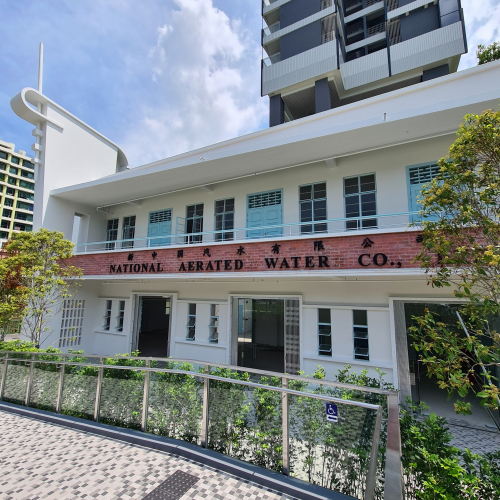
Commercial properties are spaces intended for businesses that provide goods and services directly to consumers or businesses.
These properties are designed to host offices, shops, and service providers.
Examples of Commercial Property:
-
Office spaces (e.g., CBD Grade A offices at Raffles Place, Marina Bay)
-
Retail shops in malls or shophouses
-
F&B outlets such as restaurants, cafes, and bars
-
Medical suites and clinics
Who Usually Buys or Leases Them?
-
Companies setting up offices in Singapore
-
Retailers or service providers
-
Investors seeking rental income from tenants
What is Industrial Property?
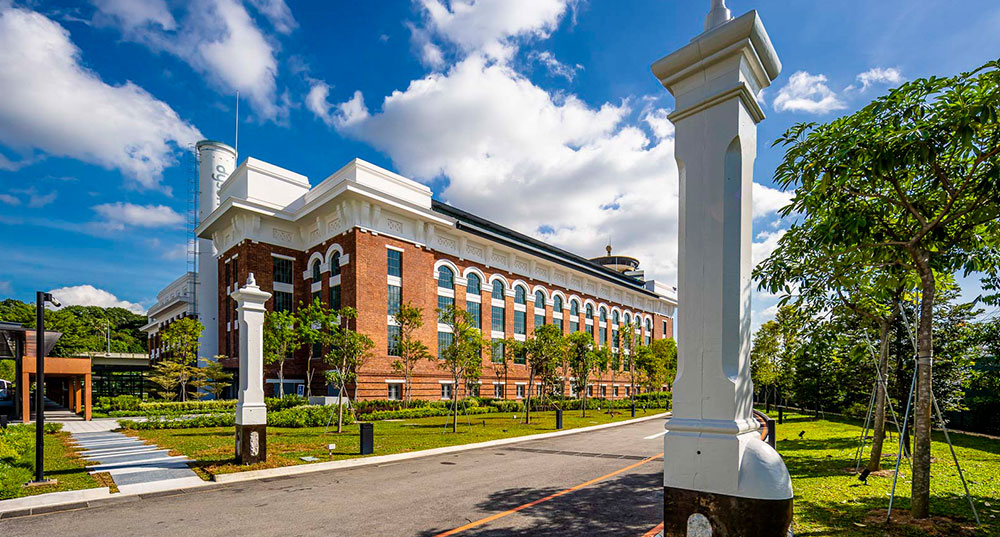
Industrial properties are spaces designed for production, storage, logistics, and heavy operations. They are usually located outside the core city areas to accommodate larger facilities.
Types of Industrial Property:
-
B1 industrial: Light industry such as IT, media, design, and clean manufacturing
-
B2 industrial: Heavy industries like engineering, warehousing, and logistics
-
Flatted factories: Multi-storey industrial units
-
Business parks: For R&D, high-tech activities, and knowledge-intensive businesses
Who Usually Uses Them?
-
Manufacturers
-
Logistics & warehousing companies
-
Technology & R&D firms
-
Startups needing hybrid office-production space
Key Differences Between Commercial and Industrial Property in Singapore
| Feature | Commercial Property | Industrial Property |
|---|---|---|
| Purpose | Customer-facing businesses, offices, retail, F&B | Production, logistics, warehousing, R&D |
| Location | City centre (CBD, Orchard, town centres) | Outskirts or industrial estates (Jurong, Woodlands, Ubi) |
| Tenure | Can be freehold, 999-year, or leasehold | Mostly 30–60 years leasehold |
| Zoning Control | URA-zoned for commercial use | JTC or URA-zoned for industrial |
| Rental Demand | High demand from offices & retailers | Stable demand from logistics & industrial users |
| Accessibility | Near MRT and business hubs | Near highways, ports, and industrial clusters |
Investment Considerations
-
Capital Appreciation
Commercial properties, especially in prime CBD areas, often see higher long-term appreciation due to limited supply. Industrial properties tend to be more yield-driven. -
Rental Yield
Industrial properties typically offer higher yields compared to commercial properties. -
Regulations
Foreigners can generally buy both commercial and industrial properties without restriction, but each asset class is governed by URA zoning guidelines.
Conclusion
The choice between commercial vs industrial property in Singapore depends on your objectives:
-
Choose commercial if you’re looking for prime locations, stable tenants, and prestige.
-
Choose industrial if you want higher yields and are comfortable with shorter leasehold tenures.
Understanding these differences will help you make smarter investment decisions in Singapore’s competitive property market.
Frequently Asked Questions (FAQs)
1. Can foreigners buy commercial or industrial property in Singapore?
Yes, foreigners can buy both types without additional ABSD (Additional Buyer’s Stamp Duty).
2. Is industrial property more affordable than commercial property?
Generally yes. Industrial units are cheaper on a per square foot basis, but commercial properties may have better long-term capital growth.
3. Do industrial properties have shorter leases?
Yes. Most industrial properties are on 30–60 year leases, compared to commercial properties which can be freehold.
4. Which is better for rental yield?
Industrial properties usually offer higher yields but may come with more volatile tenant profiles.

